x
  • No hay productos en la lista

Search

Categories

Noise Barriers

Railway Equipment
Urban Equipment

Road Equipment
ADIF Electrical Substations

Forestry Equipment
Add
Add
Add
Add
Add
Add
Add
Add
Add
Add
Add
Add
Add
Add
Add
Add
Add
Add
Add
Add
Add
Add
Add
Add
Add
Add
Add
Add
Add
Add
Add
Add
Add
Add
Add
Add
Add
Add
Add
Add
Add
Add
Add
Add
Add
Add
Add
Add
Add
Add
Add
Add
Add
Add

Search

Categories

Noise Barriers

Railway Equipment

Urban Equipment

Road Equipment

ADIF Electrical Substations

Forestry Equipment
Search

Categories

Noise Barriers

Railway Equipment

Urban Equipment

Road Equipment

ADIF Electrical Substations

Forestry Equipment
Railway Equipment

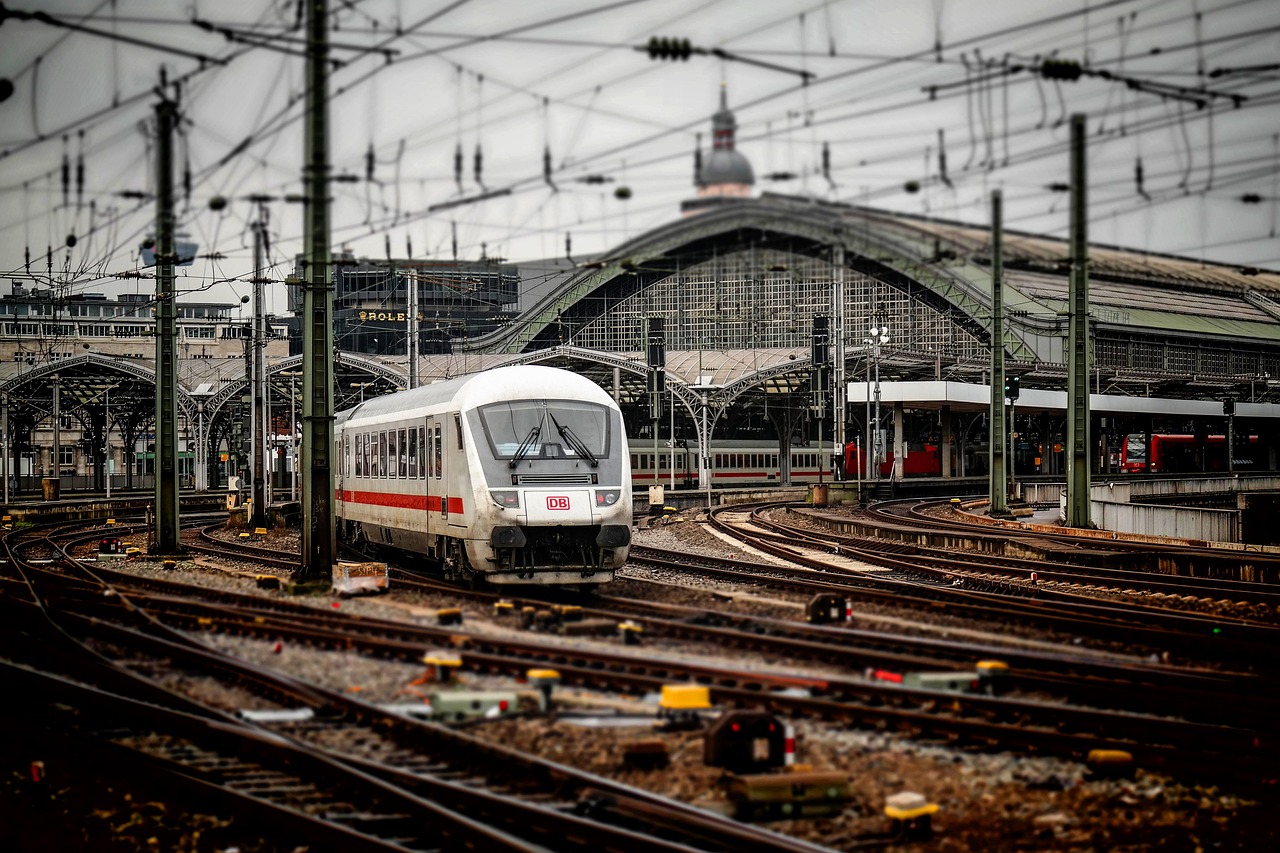
Railway equipment plays a vital role in ensuring safety, efficiency, and reliability in modern rail transport. It goes beyond visible structures, covering systems and solutions designed to guarantee continuous operation and resilience. The rail sector demands the highest technical standards, where innovation and durability are key to meet the growing demand for passenger and freight mobility. Investing in high-quality railway equipment means choosing advanced technology, robust materials, and compliance with strict European regulations. This ensures a safer, more sustainable, and competitive transport system that fully supports the green mobility transition.


Functionality and efficiency in railway networks

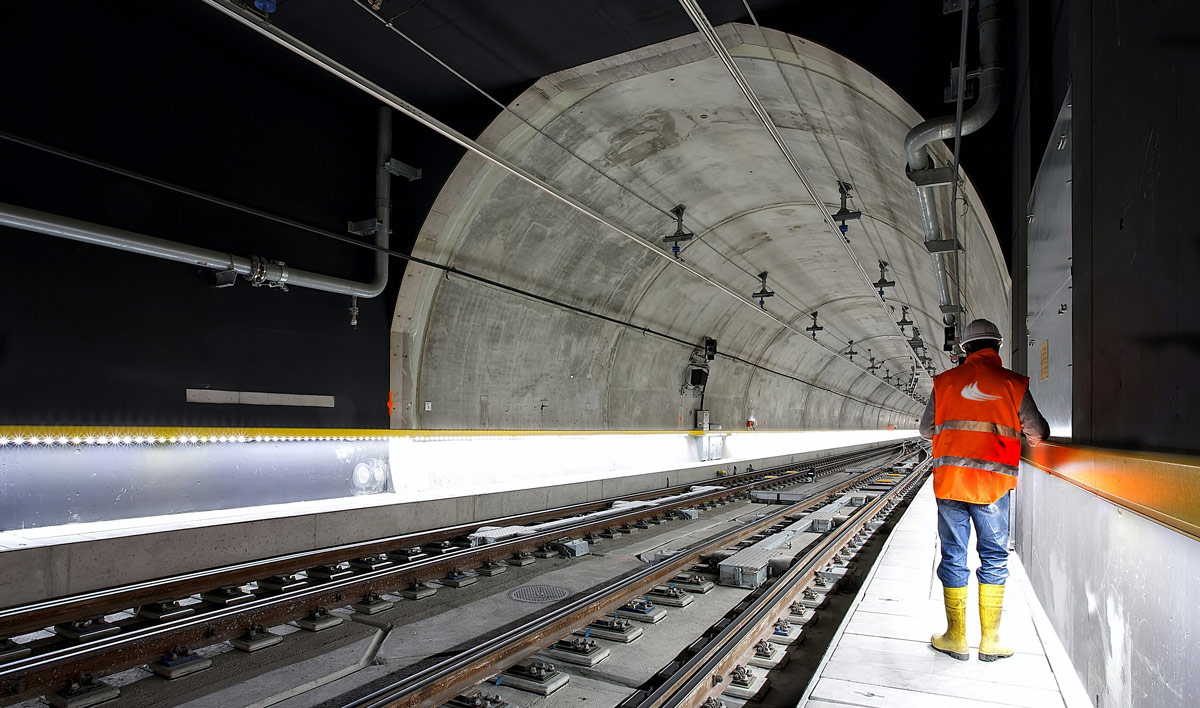
Today, railway equipment is understood as a set of integrated solutions that optimize infrastructure. Its mission is to ensure safe train circulation, minimize maintenance costs, and improve operational efficiency. From structural support to protection in critical areas such as stations or tunnels, every system contributes to the overall stability and integration of railway infrastructure. Together, these solutions reinforce the train as one of the most efficient modes of transport for people and goods, adapting to the technical and environmental challenges of the 21st century.


Sustainability and standards in railway equipment

Sustainability is now at the heart of railway equipment. Modern design focuses on recyclable materials, eco-friendly processes, and technologies that extend the lifespan of every component. This approach reduces carbon footprint, lowers costs, and ensures long-term efficiency. At the same time, compliance with international standards guarantees interoperability between railway systems, facilitating cross-border transport. Railway equipment has therefore become a strategic driver of the ecological transition, supporting safe, efficient, and environmentally responsible mobility.


Innovation and the future of railway equipment

The future of railway equipment lies in constant innovation. Digitalization, smart sensors, and real-time monitoring are transforming infrastructure management, improving safety, and optimizing energy efficiency. At the same time, modern solutions aim for functionality, design, and seamless urban integration, making rail transport more attractive and competitive. Choosing state-of-the-art railway equipment is not just an investment in technology, but a step towards a smarter, safer, and greener mobility model.

Railway Equipment

Railway equipment plays a vital role in ensuring safety, efficiency, and reliability in modern rail transport. It goes beyond visible structures, covering systems and solutions designed to guarantee continuous operation and resilience. The rail sector demands the highest technical standards, where innovation and durability are key to meet the growing demand for passenger and freight mobility. Investing in high-quality railway equipment means choosing advanced technology, robust materials, and compliance with strict European regulations. This ensures a safer, more sustainable, and competitive transport system that fully supports the green mobility transition.


Functionality and efficiency in railway networks

Today, railway equipment is understood as a set of integrated solutions that optimize infrastructure. Its mission is to ensure safe train circulation, minimize maintenance costs, and improve operational efficiency. From structural support to protection in critical areas such as stations or tunnels, every system contributes to the overall stability and integration of railway infrastructure. Together, these solutions reinforce the train as one of the most efficient modes of transport for people and goods, adapting to the technical and environmental challenges of the 21st century.


Sustainability and standards in railway equipment

Sustainability is now at the heart of railway equipment. Modern design focuses on recyclable materials, eco-friendly processes, and technologies that extend the lifespan of every component. This approach reduces carbon footprint, lowers costs, and ensures long-term efficiency. At the same time, compliance with international standards guarantees interoperability between railway systems, facilitating cross-border transport. Railway equipment has therefore become a strategic driver of the ecological transition, supporting safe, efficient, and environmentally responsible mobility.


Innovation and the future of railway equipment

The future of railway equipment lies in constant innovation. Digitalization, smart sensors, and real-time monitoring are transforming infrastructure management, improving safety, and optimizing energy efficiency. At the same time, modern solutions aim for functionality, design, and seamless urban integration, making rail transport more attractive and competitive. Choosing state-of-the-art railway equipment is not just an investment in technology, but a step towards a smarter, safer, and greener mobility model.
Select the fields to be shown. Others will be hidden. Drag and drop to rearrange the order.
  • Image
  • Height
  • Module length
  • Thickness
  • Weight
  • Material
  • Main element
  • Auxiliary element
  • Filler
  • Fixing element
  • Absorption category (Dla)
  • Insulation category (Dlr)
  • Global isolation Rw (C,Ctr)
  • Width (mm)
  • Length (mm)
  • Total Height
  • Module Length
  • Module Width (mm)
Click outside to hide the comparison bar
Compare
Scroll al inicio