



Methacrylate acoustic panels
Search
Categories
Noise Barriers
Railway Equipment
Urban Equipment

Road Equipment
ADIF Electrical Substations

Forestry Equipment


Methacrylate Acoustic Panels
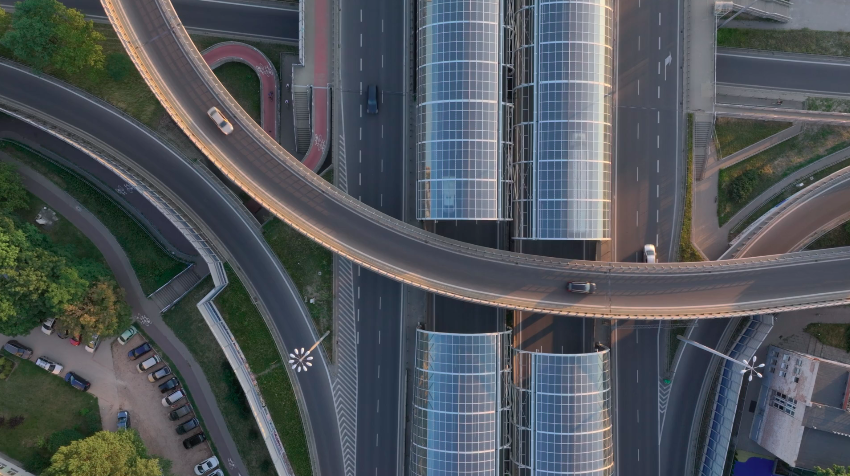
Although transparent screens provide exceptional acoustic protection, unlike metal panels, they do not absorb sound. However, they act as an effective barrier, significantly reducing noise. Therefore, they are ideal when insulation is a priority but absorption is not required. Furthermore, their transparency makes them perfect for spaces that require visibility. However, in areas with high noise levels, they can be combined with other materials. Finally, although they do not replace absorbers, they are key to controlling noise pollution.
Composition and design
Because they are made of PMMA, these screens stand out for their transparency and durability. Furthermore, being available in clear or colored versions, they offer aesthetic flexibility. Consequently, they not only provide acoustic insulation but also integrate visual harmony. However, their choice depends on specific needs. For example, neutral tones predominate in urban environments. Finally, PMMA guarantees functionality and adaptability to the landscape.
Color and decoration options
Since PMMA panels are customizable, they can be colored or decorated according to preferences. Therefore, in addition to being functional, they reinforce the visual identity of the space. Among the options, glass and ice blue are the most popular due to their balance of modernity and efficiency. However, the final choice depends on the project. In short, their versatility makes them comprehensive solutions for design and acoustics.
Acoustic and Aesthetic Protection
Although PMMA is effective for insulation, its performance varies depending on the material. However, its strength and recyclability make it sustainable. Therefore, choosing it not only reduces noise but also supports the environment. However, in high-noise areas, complementary materials may be required. In short, it combines acoustic functionality with ecological responsibility.
Sustainability and environmental responsibility
Since PMMA complies with environmental regulations, its use in projects promotes sustainability. Furthermore, by reducing noise—associated with health problems according to the WHO — improves public well-being. Therefore, these screens are not only efficient but also ethical. However, it is vital to select optimized designs. In short, they represent a commitment to the environmental and acoustic future.
Installation and maintenance
Because PMMA screens are lightweight, they are quick and versatile to install. Furthermore, they require minimal structures, reducing construction costs. However, technical specifications must be followed to ensure their acoustic effectiveness. For example, they must be perfectly sealed to prevent sound leakage. Maintenance is also simple: periodic cleaning with non-abrasive products is sufficient. However, in extreme environments, they may require more frequent inspections. Consequently, they offer practicality without compromising durability. Finally, since they can be easily combined with other systems, they are adaptable to complex projects.
Technological innovation
Although PMMA is traditional, it is currently incorporating revolutionary advances. For example, versions with nanoparticles improve sound insulation by up to 30%. Furthermore, new surface treatments repel dust and graffiti while maintaining transparency. However, these innovations slightly increase the cost. Therefore, it is recommended to evaluate the cost-benefit ratio according to the project. Photocatalytic panels that purify the air are also being developed. Ultimately, these innovations position PMMA as the material of the future for smart urban environments.
Advanced customization for architectural projects
Since each project has unique needs, PMMA panels now offer unprecedented customization options. For example, they can be manufactured in curved or angular shapes to accommodate innovative designs. They also incorporate digital printing technologies that allow for the addition of graphics, textures, or even corporate images. However, these customized options require additional production time. Furthermore, different levels of transparency can be combined on a single panel. Architects can therefore create completely customized solutions. However, these special variants incur a higher cost. Consequently, they represent the ideal choice for projects seeking architectural differentiation. Finally, this extreme flexibility positions PMMA as a leading material in contemporary design.
