



Viaducts in Spain: History, construction and current situation
Introduction
Viaducts are essential structures for the railway infrastructure in Spain, allowing the connection of different regions of the country through difficult terrain and ensuring the continuity of the tracks over valleys, rivers and other geographical barriers. These impressive examples of engineering not only stand out for their functional importance, but also for their integration into the landscape and their contribution to economic and social development. In this article, we will explore the history, manufacture and current situation of viaducts in Spain, with a special focus on critical elements such as expansion joints, guardrails, fencing, bird screens and acoustic screens, components that our company is proud to manufacture and install.
History of viaducts in Spain
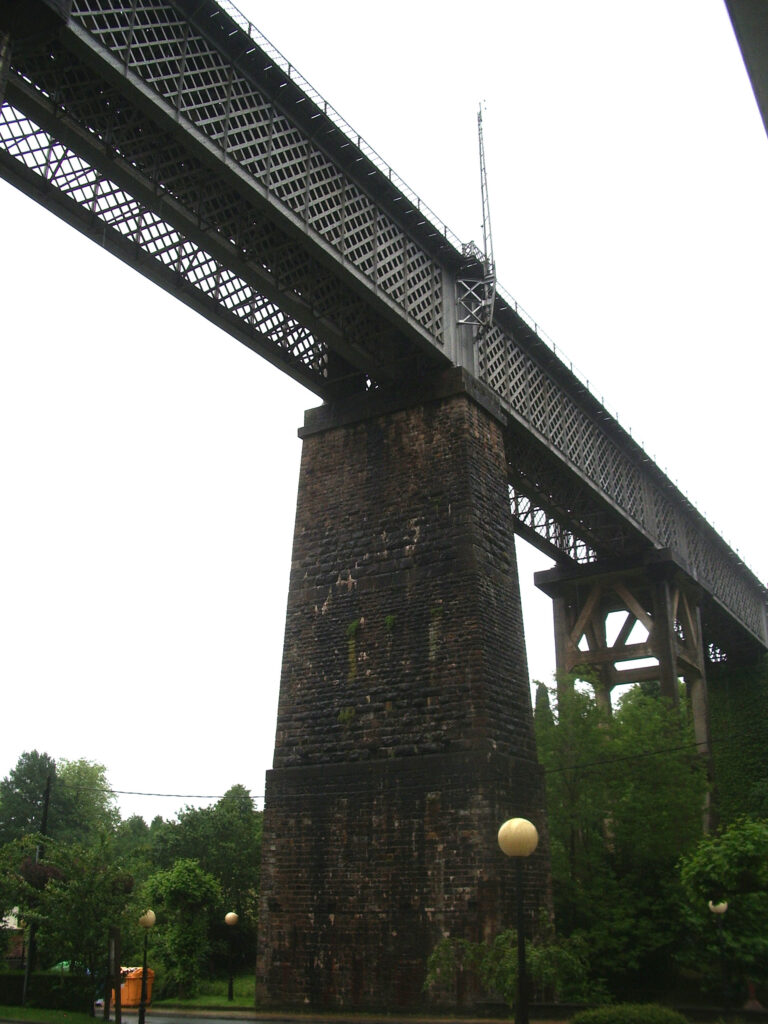 The construction of viaducts in Spain has a rich history dating back to the 19th century, when the country began to develop its railway network. One of the first and most emblematic viaducts is the Ormaiztegi Viaduct in Guipúzcoa, opened in 1864, which was considered an engineering masterpiece of its time.
Over time, and with the advancement of technology, materials and construction techniques have evolved, allowing for the creation of longer, higher and stronger viaducts. During the 20th century, the increase in rail traffic and the need to connect remote regions prompted the construction of more ambitious viaducts. Notable examples include the Martín Gil Viaduct in Zamora, built in 1942, and the Contreras Viaduct, on the Madrid-Valencia high-speed line, one of the longest in Europe.
Current situation of viaducts in Spain
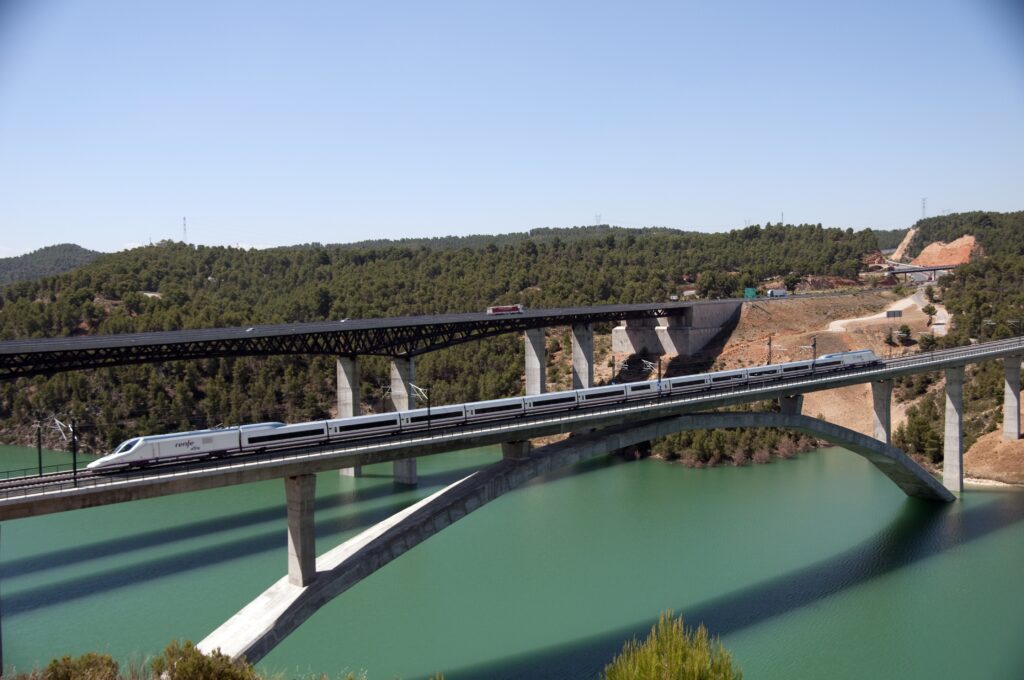 Today, Spain has an extensive network of railway viaducts that form an integral part of its high-speed and conventional line infrastructure. With more than 1,000 viaducts spread throughout the country, the country is positioned as one of the leaders in civil engineering in Europe.
The high-speed rail line (AVE) has been a key driver in the construction of new viaducts, some of which are true milestones of modern engineering. The Ulla Viaduct, for example, with its 630 metres in length and 240 metres in height, is one of the most impressive, connecting the provinces of La Coruña and Pontevedra.
Manufacturing and key components
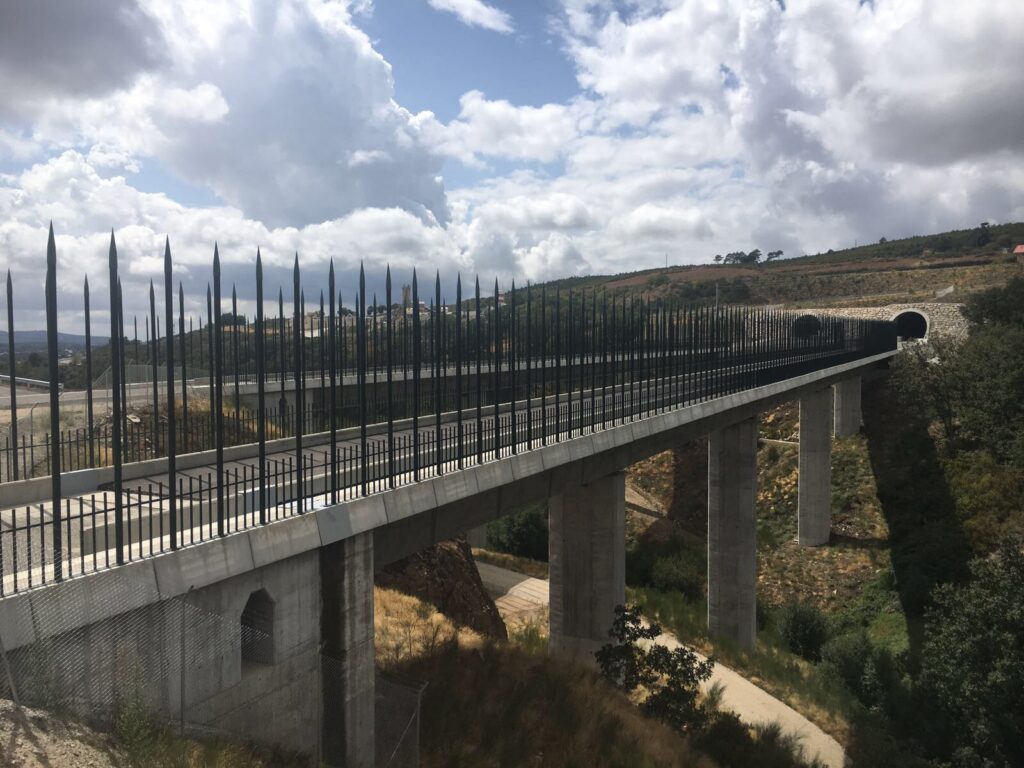 The construction of a viaduct is a complex process that requires the collaboration of various engineering disciplines. At our company, we specialize in the manufacture and installation of essential components to ensure the safety, durability and functionality of viaducts. These components include:
Expansion Joints: They allow the expansion and contraction of structures due to temperature changes, preventing damage and ensuring the long-term integrity of the viaduct.
The available models are https://insametal.com/es_es/juntas-de-dilatacion-insametal/
Railings and Fences: Essential safety elements that protect both workers and users of the viaduct, preventing falls and unauthorized access. You can see our models at https://insametal.com/es_es/vallados-y-barandillas/
Anti-bird screens: Designed to prevent bird collisions with trains, these screens are crucial for the protection of local wildlife and for minimising risks in railway operations.
We have a wide variety of types, which you can check in https://insametal.com/es_es/pantallas-anticolision-de-aves/
Acoustic Screens: They reduce the impact of noise generated by trains, improving the quality of life of communities near the railway lines and complying with environmental regulations.
Our specialty, with a wide variety of types https://insametal.com/es_es/pantallas-acusticas-insametal/
Innovation and Future
The future of viaducts in Spain is marked by innovation and sustainability. Advances in materials such as high-strength concrete, stainless steel and new prefabrication techniques are allowing the construction of lighter, more durable and environmentally friendly viaducts.
Furthermore, the integration of real-time monitoring technologies, such as sensors to detect structural movements or changes, is revolutionising the way railway infrastructure is maintained and managed. At our company, we are committed to researching and developing solutions that adapt to future needs, ensuring that our products continue to be a pillar in the construction of modern and efficient viaducts.
Conclusion
Viaducts in Spain are a testament to engineering’s ability to overcome geographical challenges and connect regions safely and efficiently. From their historical origins to the most recent innovations, these structures remain fundamental to the country’s development. At our company, we are proud to contribute to the construction and maintenance of these viaducts, providing high-quality products that guarantee their functionality and safety over time. With an eye to the future, we will continue to lead in the manufacturing of essential components, adapting to the demands of a constantly evolving sector.
